Key takeaways
- A house survives a hurricane as a sealed box - a single breached opening pressurizes the interior and can lift the roof, which is why protecting every window, door, and the garage door matters most.
- Impact-rated openings (designed to 175+ mph) and a sound, code-compliant roof are the two parts of the envelope that do the most work, and they carry the largest wind-mitigation insurance credits.
- Every season, run the pre-storm checklist: clear yard projectiles, trim trees, clean gutters, document belongings for your own insurance records, look up your evacuation zone, and stock water and supplies.
- Upgrade impact openings and re-roof in the off-season, when permit and material lead times are shorter - the protection and the insurance savings both begin at final inspection.
Know the season, and start before it
The Atlantic hurricane season runs June 1 through November 30. That is six months when a storm can form, and the hard truth is that the work that protects a home is not the work you do when a named storm is three days out. By then the stores are stripped, the contractors are booked, and the permit offices are backed up. The preparation that matters is mostly done in advance.
This guide splits that preparation into two parts. First, the building envelope - the physical shell of your house that either keeps the wind out or lets it in. Second, the practical pre-storm checklist you run each time a system is heading your way. Both matter. One is a long-term investment in the structure; the other is the routine you repeat every season.
The building envelope is what actually protects you
When people think about hurricane prep they often picture sandbags and bottled water. Those matter, but they do nothing for the structure itself. What protects the house is the envelope: the openings, the roof, and the doors. Get those right and the rest is logistics.
The single most important idea is this: protect every opening. A house under hurricane wind behaves like a sealed box. As long as the box stays sealed, the wind flows around it. But the moment a window breaks or a door blows in, the wind rushes inside and pressurizes the house from within. That internal pressure pushes up on the roof and out on the walls at the same time the storm is pulling on them from outside. A breached opening is how a house loses its roof. That is why impact-rated windows and doors are not a luxury item - they are the part of the system that keeps the box closed.
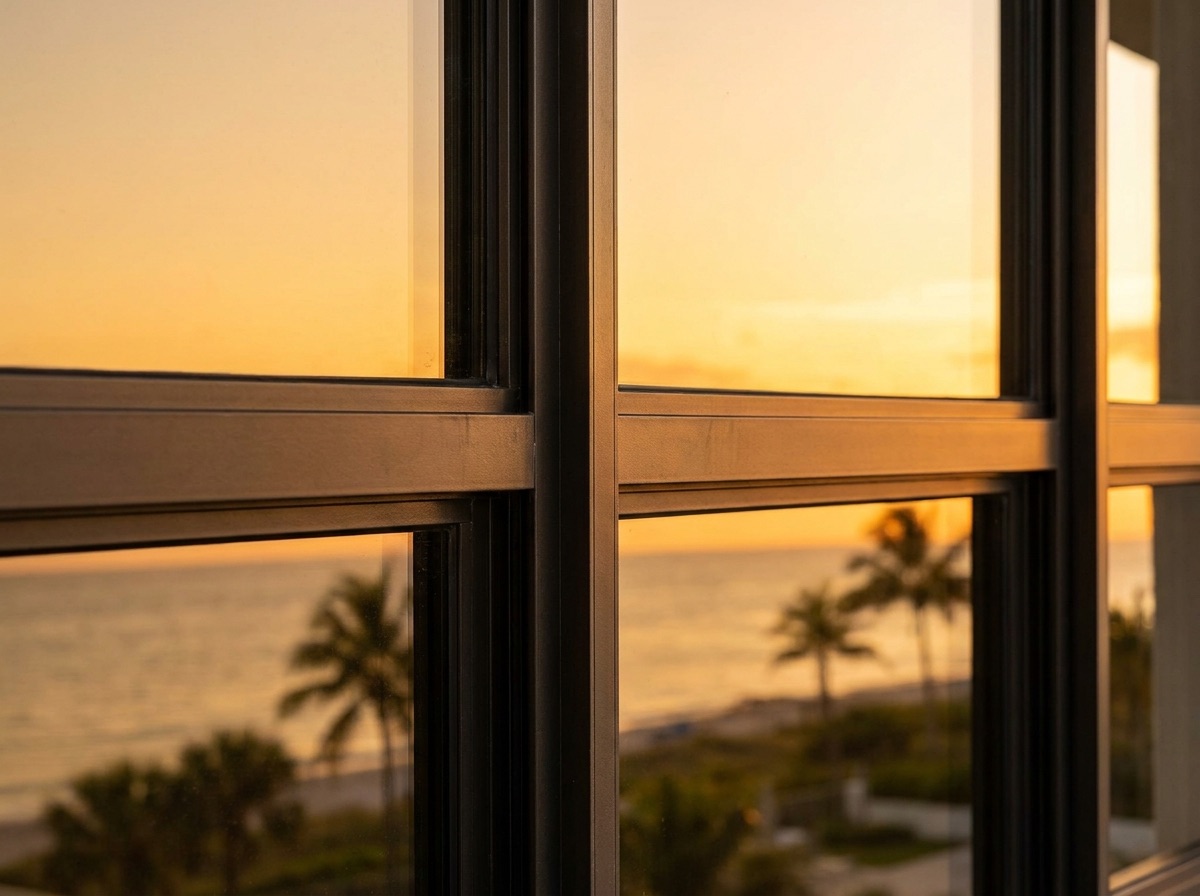
Impact windows and doors use laminated glass that holds together when struck, so even a direct hit from flying debris does not open the house up. They are permanent, which means there is nothing to deploy and nothing to forget when a storm is bearing down. Worth noting: Titan installs impact windows and doors, not shutters. Impact openings give you year-round protection with no pre-storm setup, and they carry the larger wind-mitigation insurance credit. The products we install are designed to 175+ mph and carry a Florida-approved NOA or product approval for your specific zone.
Roof, doors, and the garage door
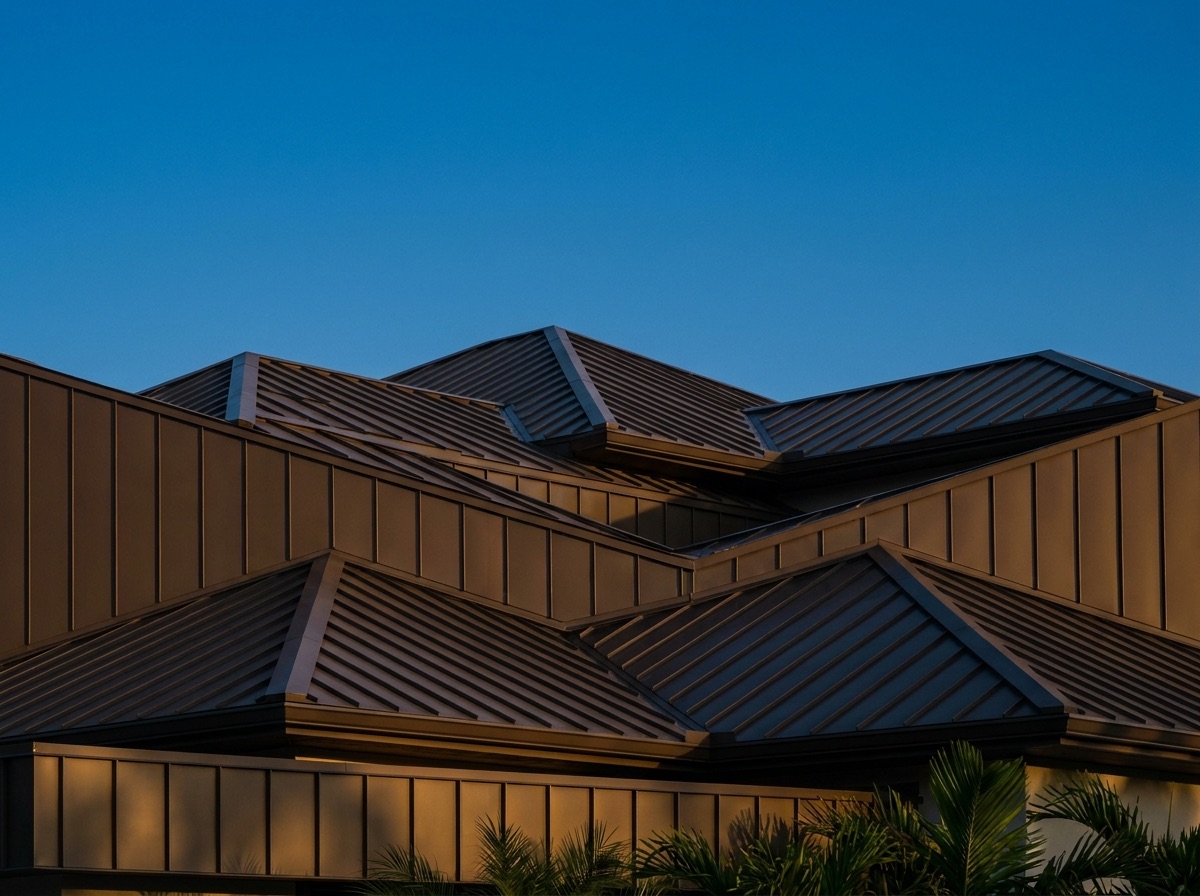
After the windows, the roof is the next line. A roof that meets current code - properly fastened deck, sealed underlayment, code-compliant edge metal and ridge - is engineered to take uplift without peeling. An aging or cut-rate roof can fail at a single lifted edge, and once wind gets under the surface it works the rest loose fast. South Florida is the most demanding roofing environment in the country: salt air corrodes fasteners and UV degrades materials faster than the national average, so a roof that was fine ten years ago may not be sound today.
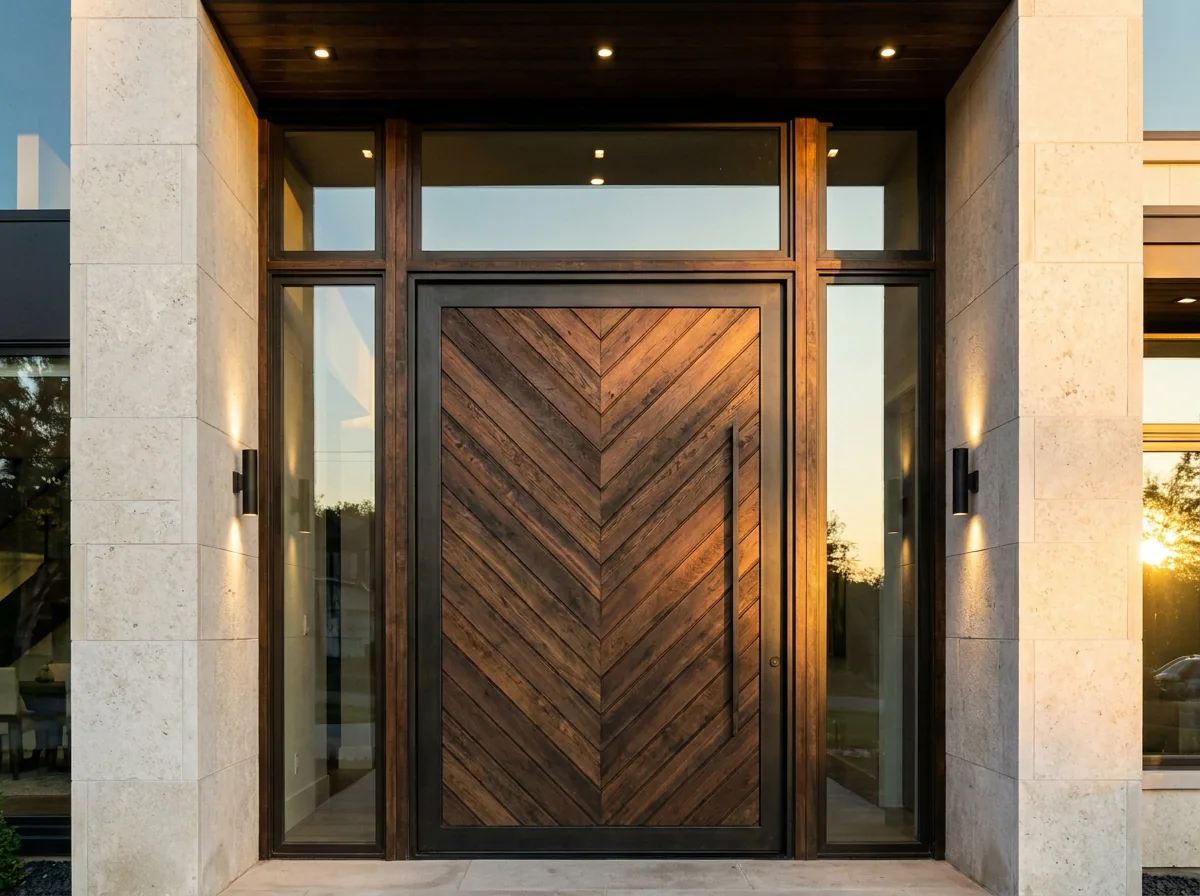
Doors deserve specific attention because they are large openings under direct load. Entry doors, French doors, and sliding-glass systems all need to be impact-rated and properly anchored to the structure, with seals that are intact and hardware that latches fully. A door that is not secured is just a large window waiting to fail.
The garage door is the opening homeowners overlook most, and it is often the weakest one. It is the biggest single surface on the front of most houses, and a standard, non-rated garage door can buckle under wind pressure. When it goes, the wind floods the garage and pressurizes the house from the inside - the same roof-lifting scenario as a broken window, just on a larger scale. A hurricane-rated garage door is part of a complete envelope, not an afterthought.
Your pre-storm checklist
When a storm is forecast, the goal is to remove hazards, protect what you can, and be ready to leave if you are told to. Run through this list every time:
Clear the yard of anything the wind can pick up. Patio furniture, grills, planters, trash cans, kids toys, and loose decor all become projectiles at hurricane wind speeds, and a flying object is exactly what your impact glass is rated to stop - so do not give it more to stop than it needs. Bring it inside or secure it.
Trim trees and remove dead limbs before the season, not the week of. Overhanging and weak branches are a leading cause of roof and window damage. Clean your gutters and downspouts as well so the heavy rain has somewhere to go and does not back up under the roof edge.
Document your belongings for insurance. Walk through the house with your phone and photograph or video every room, including inside closets and cabinets, and store it in the cloud or email it to yourself. If you ever need to file a claim, that record is what proves what you had. To be clear, Titan does not file or negotiate insurance claims - this documentation is yours to keep for your own carrier.
Know your evacuation zone and your route. South Florida counties publish evacuation zones by address; look yours up now so you are not searching for it during an order. Decide in advance where you would go and how you would get there.
Stock supplies: at least one gallon of water per person per day for several days, non-perishable food, medications, flashlights, batteries, a charged power bank, cash, and copies of important documents. Fill the car with fuel and any prescriptions before the rush.
The off-season is the smart time to upgrade
If your home does not yet have impact-rated openings or a sound, code-compliant roof, the time to fix that is not during hurricane season - it is in the quieter months. The reason is straightforward: permit and material lead times are shorter when the whole region is not trying to do the same work at once.
During and right before the season, building departments are flooded, manufacturers are backlogged, and crews are booked solid. Plan the work in the off-season and your permit clears faster, your materials arrive sooner, and your project finishes well before the next June 1. You also get to make the decision calmly, comparing real options, rather than reacting to a storm on the radar.
There is a financial upside too. Impact-rated openings and a code-compliant roof are the two biggest line items on a Florida wind-mitigation inspection, which is why they trigger the largest available insurance credits. Many homeowners offset a meaningful share of the upgrade through reduced premiums over time. The protection and the savings both start the day the work passes final inspection.
Get an honest read on your envelope
If you are not sure where your home stands, the practical first step is an assessment of the envelope - the openings, the roof, and the doors - by someone who works to the correct code for your specific address. Miami-Dade and Broward sit in the High-Velocity Hurricane Zone with the strictest standard in the country; Palm Beach and the Treasure Coast fall under the Wind-Borne Debris Region. The right spec depends on your county and your exact location.
Titan Builders has installed across South Florida since 1981 and is dual-licensed by the State of Florida as a Certified General Contractor (CGC1537612) and Certified Roofing Contractor (CCC1334624). We can walk the house, tell you honestly which parts of the envelope are sound and which are the real weak points, and leave you with a written assessment - whether or not you are ready to do anything about it. The goal is for you to know, before the next storm, exactly how your home is going to perform.