Key takeaways
- Think in ranges, not single numbers: a full-home impact window project runs about $20,000 to $60,000, a single window roughly $700 to $1,500, impact entry doors about $3,000 to $8,000, and sliding-glass impact systems about $4,000 to $15,000 or more.
- Price is driven by opening count and size, glass package and Low-E, frame finish, coastal-grade hardware, second-story access, custom shapes, and the HVHZ NOA approvals required for your address.
- Offsets change the real math: wind-mitigation insurance credits commonly save 15 to 45 percent on the wind portion of your premium every year, plus ongoing energy savings - and we complete the wind-mitigation form, though we do not file insurance claims.
- Financing is available at $0 down on approved credit with terms up to 20 years, plus PACE for hurricane-mitigation projects, so the cost can be matched to your insurance savings.
- Only an in-home measure turns a range into a real, itemized, per-opening quote - and at Titan that visit is free with no obligation.
The short answer, in ranges
There is no honest single number for impact windows and doors, and any contractor who gives you one over the phone is guessing. Price depends on how many openings you have, how big they are, the glass and frame you choose, and where your home sits on the map. What we can give you up front are realistic ranges that hold true across most South Florida homes.
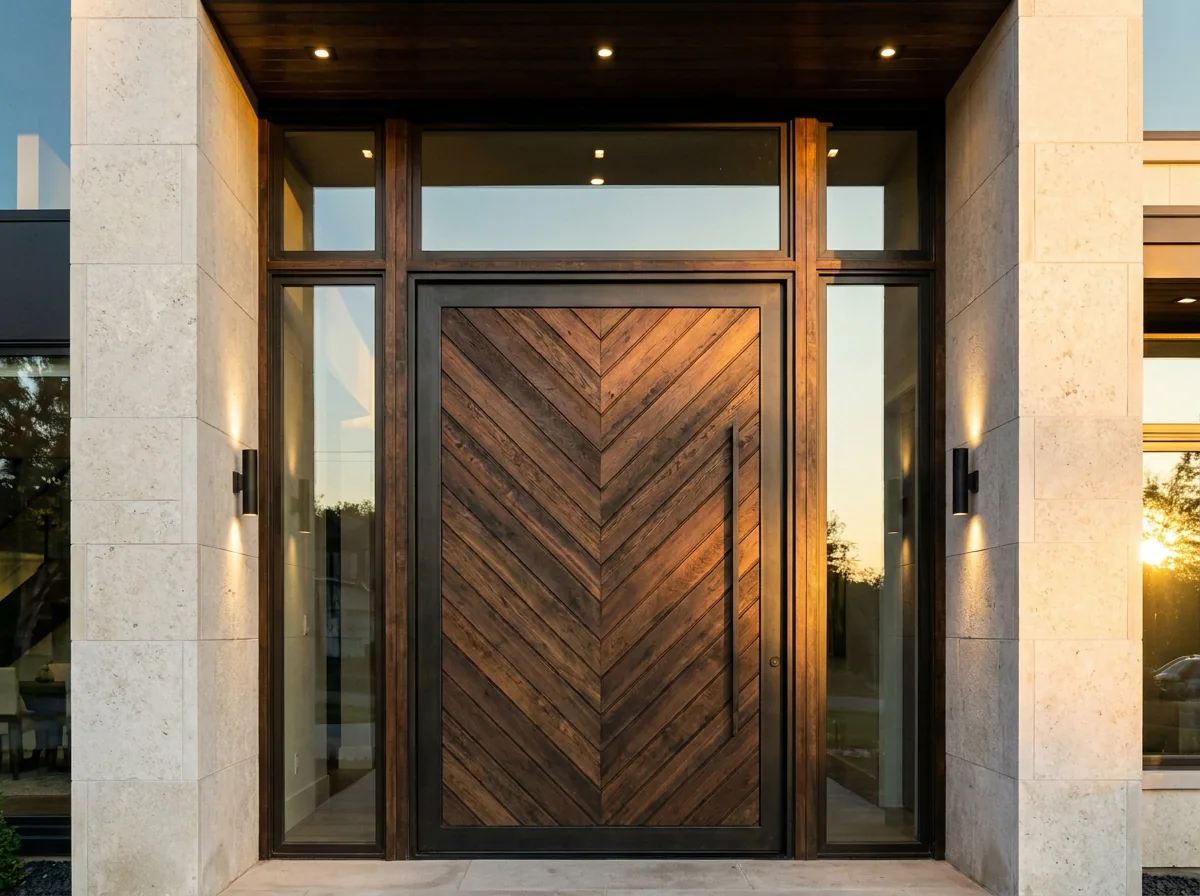
A full-home impact window project typically runs about $20,000 to $60,000. A single window, installed, runs roughly $700 to $1,500. An impact entry door runs about $3,000 to $8,000. Sliding-glass impact systems run about $4,000 to $15,000 or more, because a wide multi-panel or pocketing slider is one of the largest and most engineered openings in the house.
Those ranges are wide on purpose. A modest single-story home with a dozen standard openings sits near the bottom. A larger two-story home with oversized sliders, custom shapes, and a coastal address sits near the top. The only way to turn a range into a real number is an in-home measure, which we will get to.
What actually drives the price
The biggest driver is simple: how many openings you have and how big they are. Pricing is built opening by opening, so a home with twenty windows costs more than a home with ten, and a wall of glass costs more than a bathroom window. Size matters as much as count - a large picture window or a wide slider carries far more glass and a heavier frame than a standard single-hung.
The glass package is the next lever. A Low-E coating and an insulated, argon-filled unit costs more than base laminated glass, but it is what cuts heat transfer and lowers your cooling bills. Frame finish moves the number too: standard white is the baseline, while custom colors, bronze, and real-wood overlays on impact-rated cores cost more.
Coastal homes carry coastal-grade hardware. Closer to the water, salt air will corrode cheap locks and seals, so coastal jobs get corrosion-resistant hardware and frame finishes built for salt exposure - a spec that costs more but is the difference between a window that lasts and one that fails early. Access matters as well: second-story openings, tight side yards, and limited staging space all add labor.
Custom shapes and architectural openings - arches, transoms, and trapezoids on Mediterranean Revival or Spanish Colonial homes - cost more than rectangular units because each one is built to its exact opening. And every product has to carry the right approval for your address. Miami-Dade and Broward sit in the High-Velocity Hurricane Zone, which requires Miami-Dade NOA-approved products tested to the strictest wind-load standard in the country. That requirement is non-negotiable, and it is built into the price of doing the job correctly.
The offsets that change the real math
The sticker price is only half the story. Florida statute requires homeowners insurers to offer wind-mitigation discounts, and impact-rated openings trigger one of the largest credits available. Most homeowners save 15 to 45 percent on the wind portion of their premium - the wind portion being the majority of a typical South Florida policy. The exact figure depends on your carrier, your home, and your current coverage, but that credit recurs every single year you own the home.
To be clear about what we do and do not do here: we complete the wind-mitigation form and hand you the supporting documentation your carrier needs to apply your discount. We are not public adjusters, and we do not file or negotiate insurance claims on your behalf. You give the package to your insurer, and the savings follow from there.
Energy is the second offset. Low-E coated glass and insulated, argon-filled units cut heat transfer, and many South Florida homes see a meaningful monthly drop in cooling costs after a full impact retrofit. It is not a headline number, but it stacks year after year alongside the insurance credit.
Financing, and why it matters here
Most homeowners do not pay for a full project out of pocket, and they do not need to. We offer $0 down on approved credit, with low monthly payments and terms up to 20 years through multiple lenders, so the program can be matched to your situation rather than forced into one option.
For hurricane-mitigation projects specifically, PACE financing is also available. PACE is repaid through your property tax bill rather than a conventional loan, which is a different structure that suits some homeowners better than others. We will walk you through whether it fits.
The reason financing matters beyond convenience is the offset math above. Many homeowners structure the monthly payment so that their recurring insurance savings cover much of it. That does not make the project free, and we will not pretend it does - but it changes the question from a large lump sum into a manageable monthly number against a payment you are already making to your insurer.
Why a real quote requires an in-home measure
You will see contractors advertise per-window pricing and whole-home specials. The problem is that none of those numbers can account for your actual openings until someone measures them. Two homes on the same street can differ by tens of thousands of dollars based on slider count, second-story access, custom shapes, and how close they sit to the coast.
An in-home measure is where the range becomes a real, itemized number. Someone comes to your home, measures every opening, walks you through the glass and frame options that fit your house and budget, and leaves you with pricing per opening - not a vague starting-at figure. It is also where the approval path for your specific address gets confirmed, since the required rating depends on your county and your exact location.
We do not charge for that visit, and there is no obligation attached to it. The goal is to give you a number you can actually plan around, and to tell you honestly where your project lands within the ranges above.